
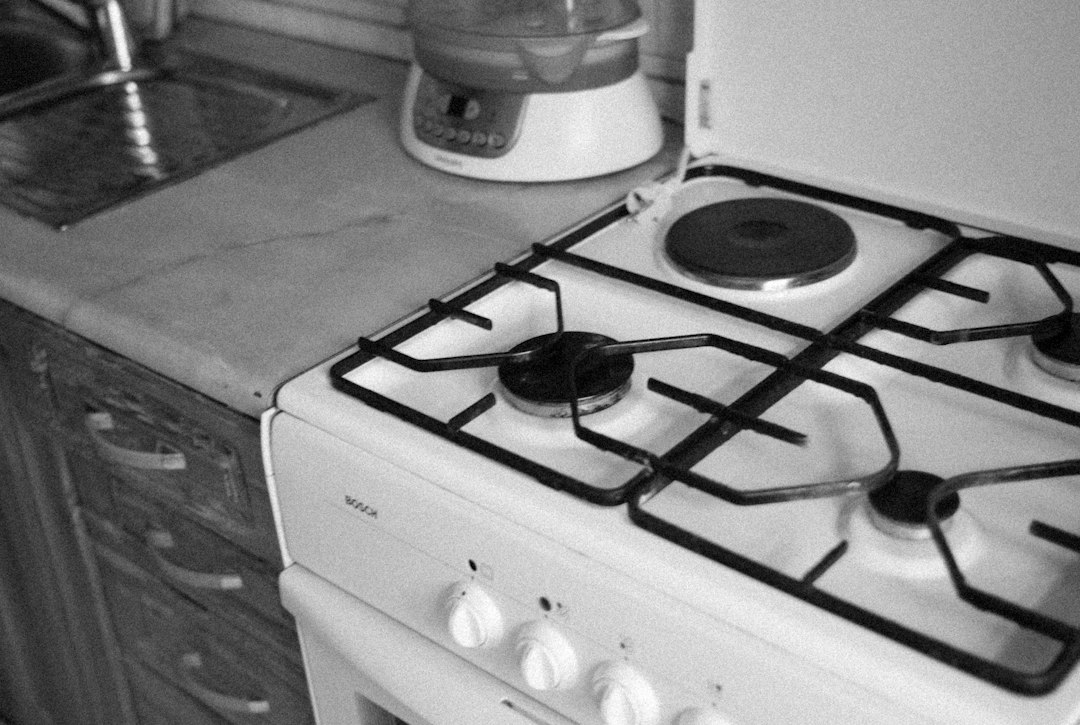
Expert Tips for Maintaining Your Kitchen Appliances Effectively

Maintaining your kitchen appliances is essential for ensuring their longevity and efficiency. Proper care not only enhances performance but also contributes to a more sustainable kitchen environment. By following expert tips, you can keep your appliances in top shape while making eco-conscious choices that benefit both your home and the planet.
Understanding Your Appliances
Each kitchen appliance serves a unique purpose and requires specific maintenance practices. For instance, toasters and ovens need regular cleaning to prevent buildup of crumbs and grease, which can affect their performance. Understanding the functions and needs of each appliance allows you to tailor your maintenance routine effectively, ensuring that they operate efficiently and last longer.
Moreover, appliances like smart refrigerators come equipped with advanced features that require occasional software updates and proper care. Familiarizing yourself with the user manual can provide valuable insights into the best practices for maintaining your appliances, helping you avoid common pitfalls that lead to premature wear and tear.
Regular Cleaning Practices
One of the most straightforward ways to maintain your kitchen appliances is through regular cleaning. For example, dishwashers should be cleaned monthly to remove food particles and mineral deposits that can hinder their performance. A simple rinse of the filter and running a cleaning cycle can significantly enhance the efficiency of your dishwasher, ensuring that your dishes come out sparkling clean.
Similarly, coffee makers require regular descaling to remove mineral buildup from water. Using eco-friendly descaling solutions can help maintain the appliance without harming the environment. By incorporating these cleaning practices into your routine, you can extend the lifespan of your appliances while also promoting sustainability.
Energy Efficiency and Sustainability
Investing in energy-efficient appliances is a crucial step towards a sustainable kitchen. Appliances that are Energy Star certified consume less energy, which not only reduces your utility bills but also minimizes your carbon footprint. When shopping for new appliances, look for the Energy Star label to ensure you are making an eco-conscious choice that aligns with your values.
Additionally, maintaining your appliances for energy efficiency is vital. Regularly checking seals on refrigerators and ensuring that ovens are properly calibrated can prevent energy waste. By prioritizing energy efficiency, you contribute to a healthier planet while enjoying the benefits of lower energy costs.
Addressing Common Issues
Every kitchen appliance may encounter issues over time, but many problems can be resolved with simple troubleshooting. For instance, if your blender is not functioning properly, checking for blockages or ensuring that it is assembled correctly can often resolve the issue. Understanding common problems and their solutions empowers you to take action before seeking professional help.
Moreover, knowing when to call a professional is equally important. If you notice persistent issues with your electric cooktop or food processor, it may be time to consult an expert. Regular maintenance checks can help identify potential problems early, saving you time and money in the long run.
Building Trust Through Ethical Choices
When selecting kitchen appliances, consider the ethical sourcing of materials and manufacturing practices. Brands that adhere to Fair Trade standards often prioritize sustainable practices and fair labor conditions. By choosing appliances from these brands, you not only support ethical practices but also build trust in the products you use daily.
Furthermore, understanding the certifications and standards associated with kitchen appliances can enhance your confidence in your purchases. Appliances that meet rigorous environmental standards are often more reliable and efficient, providing peace of mind that you are making a responsible choice for your home and the environment.